Stop teaching girls how not to get pregnant.
Start teaching them how their bodies work.
Most girls leave school knowing how to put a condom on a banana. But they couldn't tell you:
• Why they have a period
• What ovulation actually is
• Why they suddenly feel emotional before their period
• Whether their cramps are "normal"
• Why they're bleeding through a pad every hour
• Why they're exhausted every month.
That's not sex education.
That's missing the point.
We teach body literacy. ❋ Better Health EducationWe teach women to be unapologetic about their health. They leave feeling empowered like they could handle whatever their cycles throw them
❋ Collaborative EnergyConnection is a core part of the process. You’ll learn just as much from the group as from the content itself.
❋ Expert FacilitationLed by experienced guides who know how to hold space, encourage participation, and keep things moving with purpose.
❋ A Supportive SpaceOur events prioritize comfort, safety, and respect—so you can show up as you are and fully engage in the process.
Imagine if every girl finished school knowing what a healthy period actually looked like.
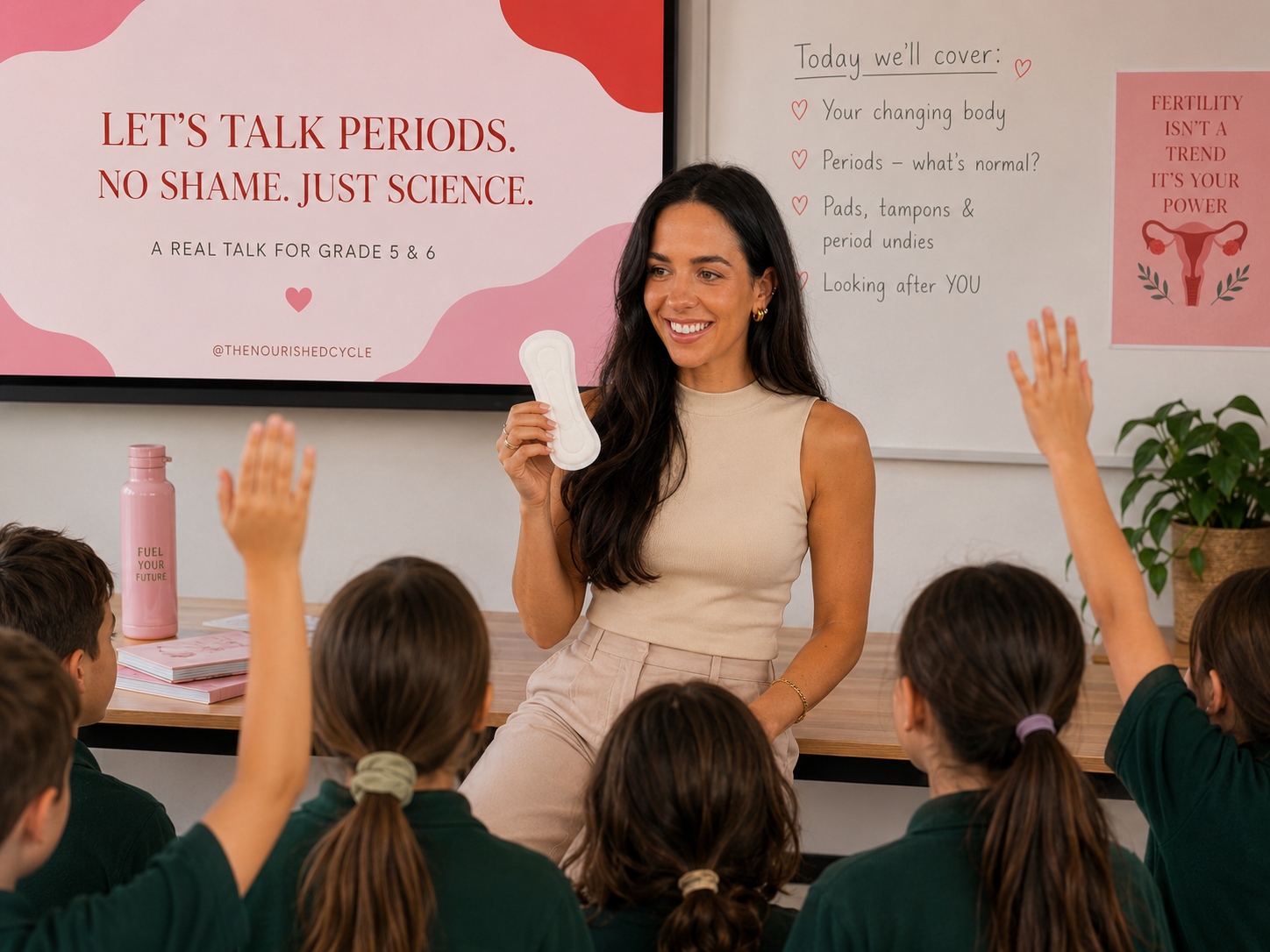
A reassuring and practical introduction to puberty, first periods and period care.
This session helps students understand what is happening to their bodies, what to expect and how to feel more prepared.
Years 5-6
The Period Project
The Who & WhatWhat they learn• What puberty actually is
• Why periods happen
• What hormones are (simple explanation)
• What to expect during the menstrual cycle
• What products exist
Pads
Tampons
Period underwear
• Period hygiene
• First period kit
• Common myths
• When to ask an adult for help
• Why every body develops differently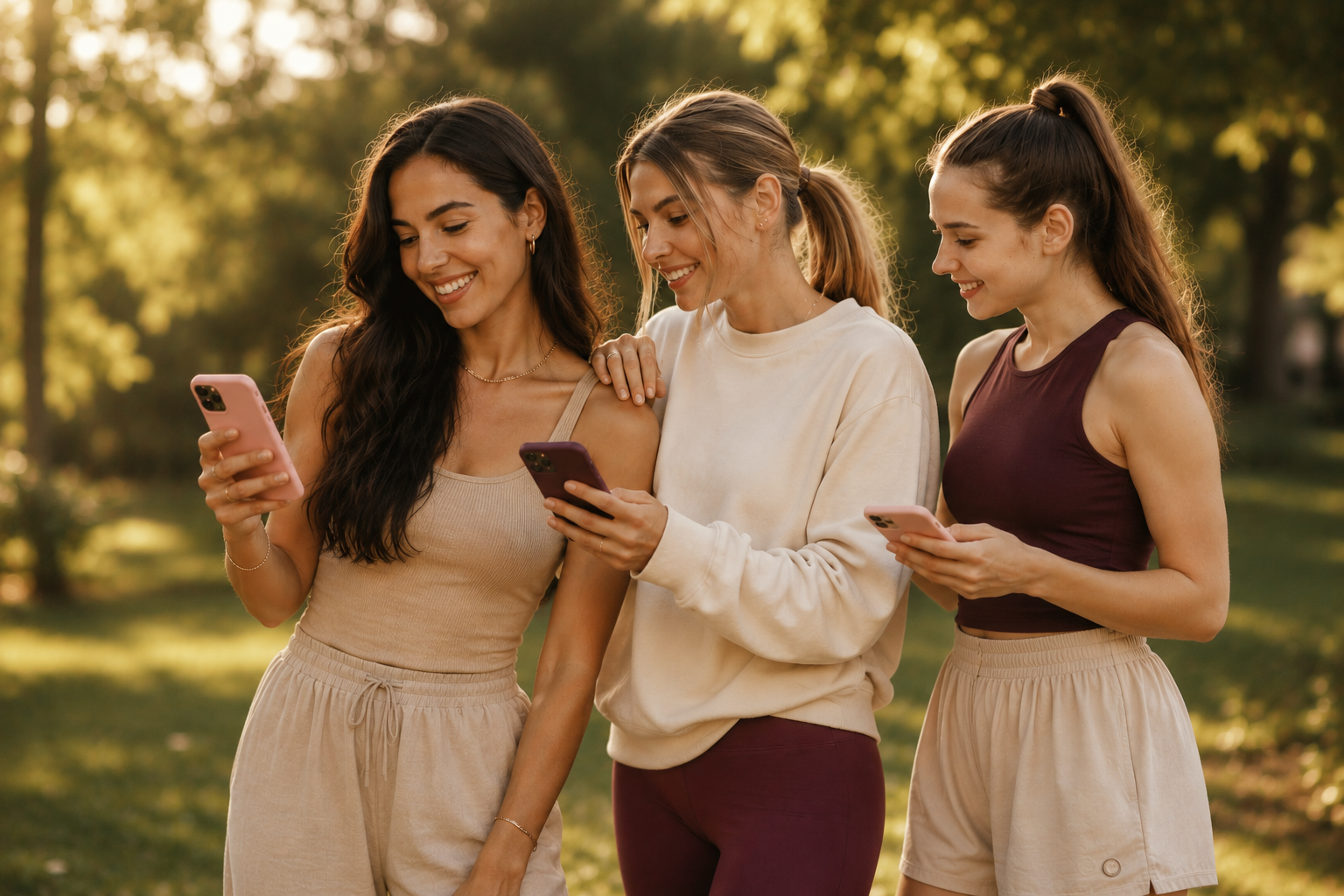
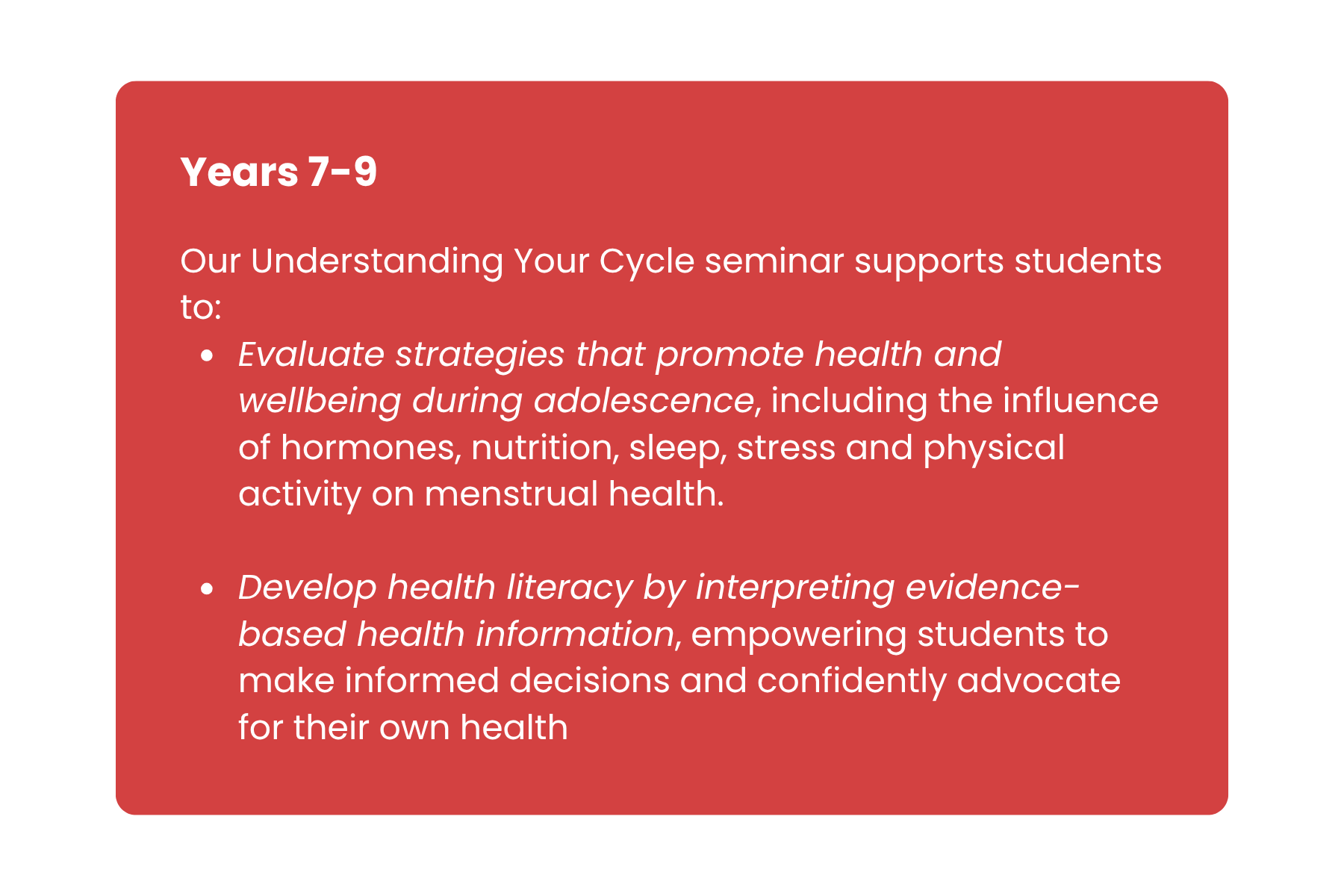
Understanding Your Hormones
This seminar helps girls understand what's happening beyond "having a period."
Students begin learning how hormones influence their physical and emotional health.
Years 7-9
What they learnEvidence-based body literacy
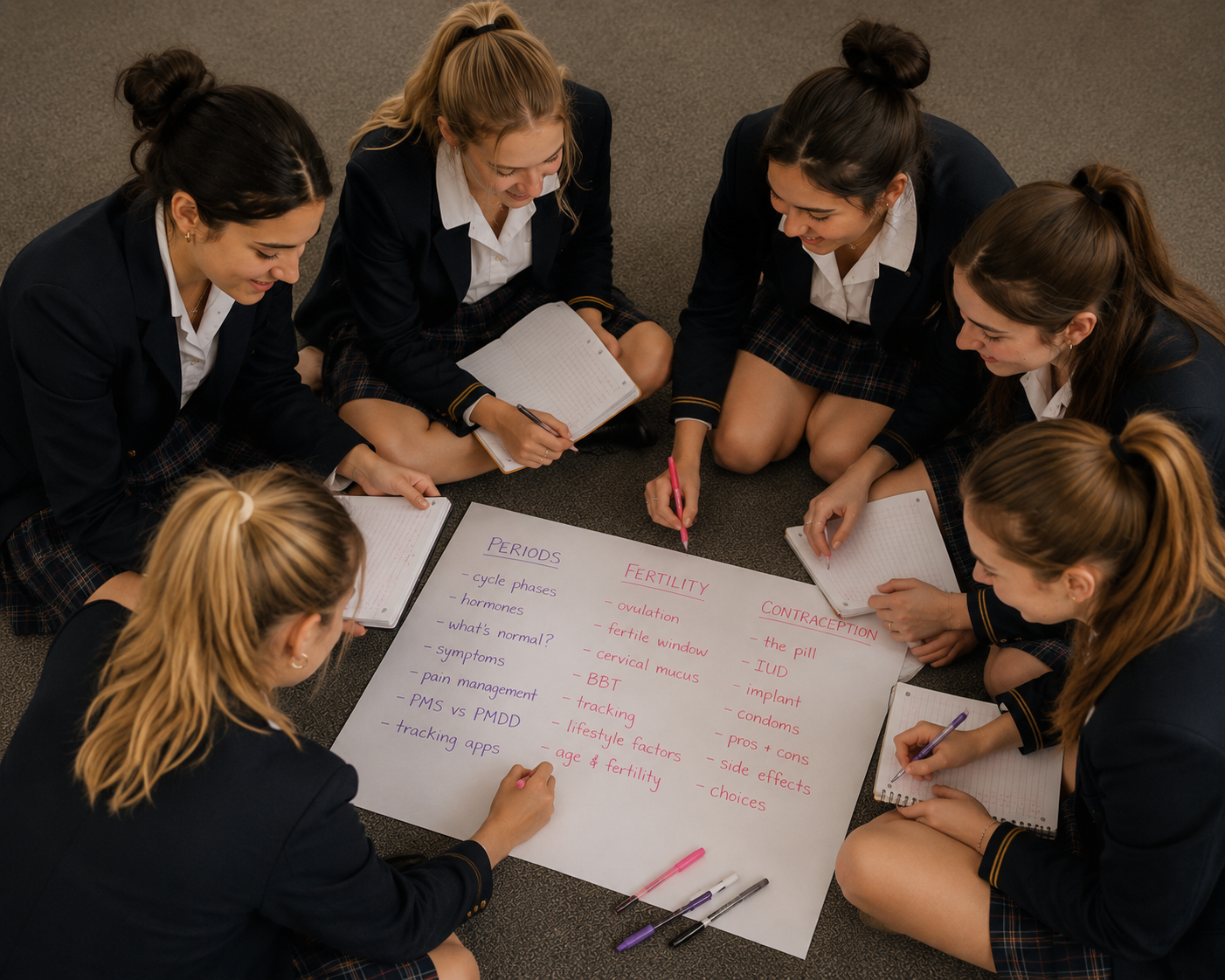
Students gain a practical understanding of puberty, hormones, the menstrual cycle and ovulation, equipping them with knowledge that extends far beyond traditional sex education and helps them better understand their own health.
Recognising what is—and isn't—normal
Students learn how to identify the signs of a healthy menstrual cycle, recognise common symptoms that may warrant medical attention, and develop the confidence to seek support when something doesn't feel right.
Health beyond the period
The program explores how hormones influence energy, mood, skin, sleep, concentration, sporting performance and overall wellbeing, helping students understand that menstrual health is a key indicator of whole-body health.
Confidence through practical education
Through engaging, age-appropriate discussions, myth-busting and real-world examples, students leave feeling more prepared to manage their periods, advocate for themselves in healthcare settings and make informed decisions about their health.
A lifelong foundation for women's health
Rather than focusing solely on pregnancy prevention, students develop a lifelong understanding of fertility, reproductive health and body literacy—knowledge that is valuable whether they choose to have children or not
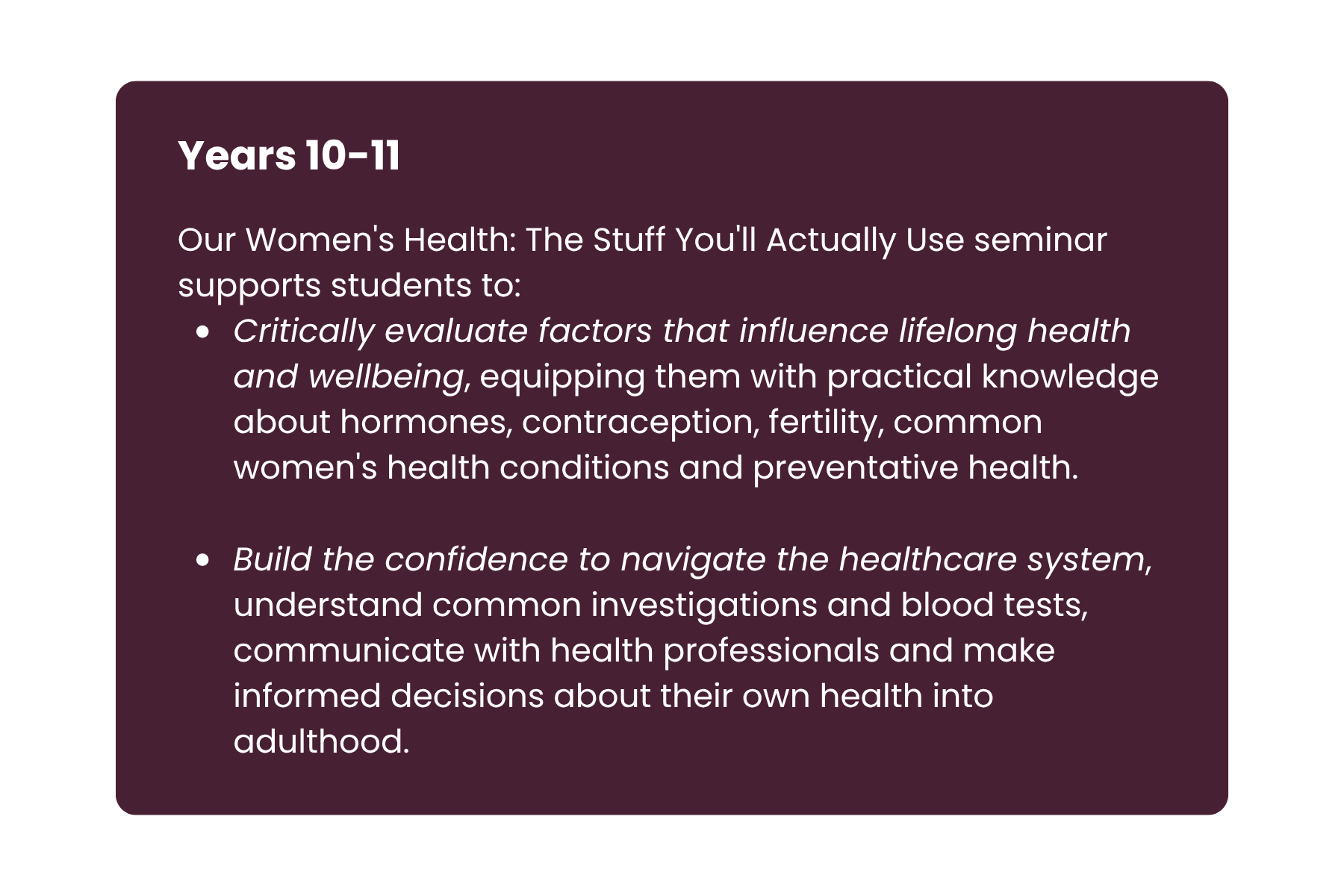
Years 10 - 12
Women’s Health: The Stuff You’ll Actually Use
The final years of school are often when students begin making independent healthcare decisions.
Yet many have never been taught what a healthy menstrual cycle actually looks like.
Hormones, ovulation and fertility
Understanding how the menstrual cycle works and why fertility is an important indicator of health, regardless of future family plans.
Periods, contraception and common misconceptions
Including what a healthy cycle looks like, how hormonal contraception works, and the difference between a menstrual period and a withdrawal bleed.
Recognising when something isn't normal
Covering common women's health conditions such as PCOS, endometriosis, adenomyosis, iron deficiency and RED-S, and knowing when to seek medical advice.
Lifestyle factors that influence hormones
Exploring the role of nutrition, movement, sleep and stress in supporting menstrual and overall health.
Confidently navigating healthcare
Learning how to understand common blood tests, advocate for yourself, and ask the right questions because "it's probably just stress" shouldn't be the end of the conversation.
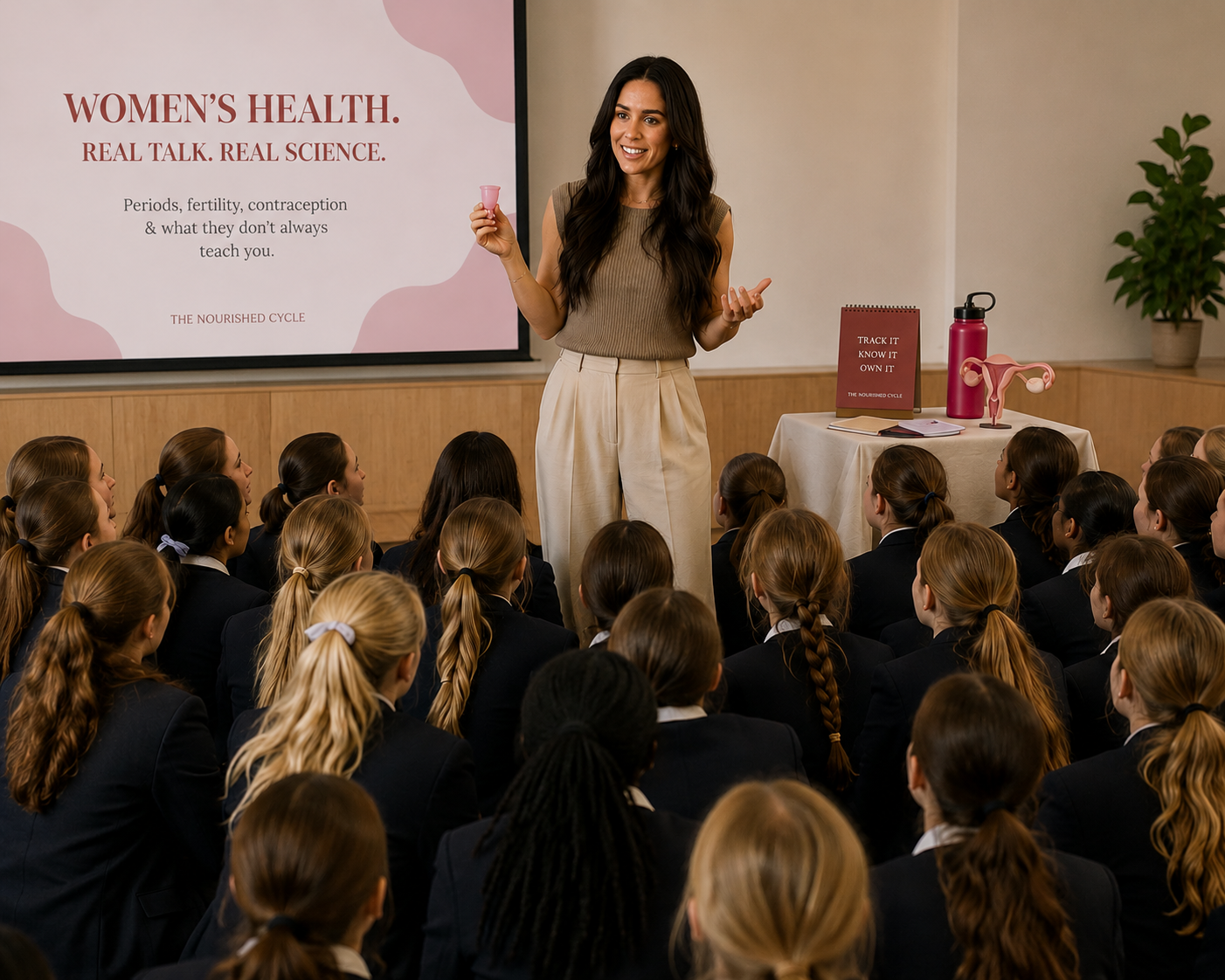
Curriculum aligned. Student focused. Clinically informed.
Australian schools do an incredible job delivering the Health and Physical Education curriculum. But when it comes to women's health, teachers are often expected to cover an enormous amount of complex information in a limited amount of time—and across topics well beyond their area of expertise.
That's where we come in.
The Nourished Cycle seminars are designed to complement your existing curriculum, not replace it.
We bring specialist knowledge in women's health, hormones and menstrual health, translating complex science into engaging, age-appropriate education that students actually understand and remember.
Unlike a traditional classroom lesson, our sessions are built around the questions students are really asking.
"Why are my periods so painful?"
"Is it normal to bleed this much?"
"Why do I feel so different before my period?"
"How do I know if something's wrong?"
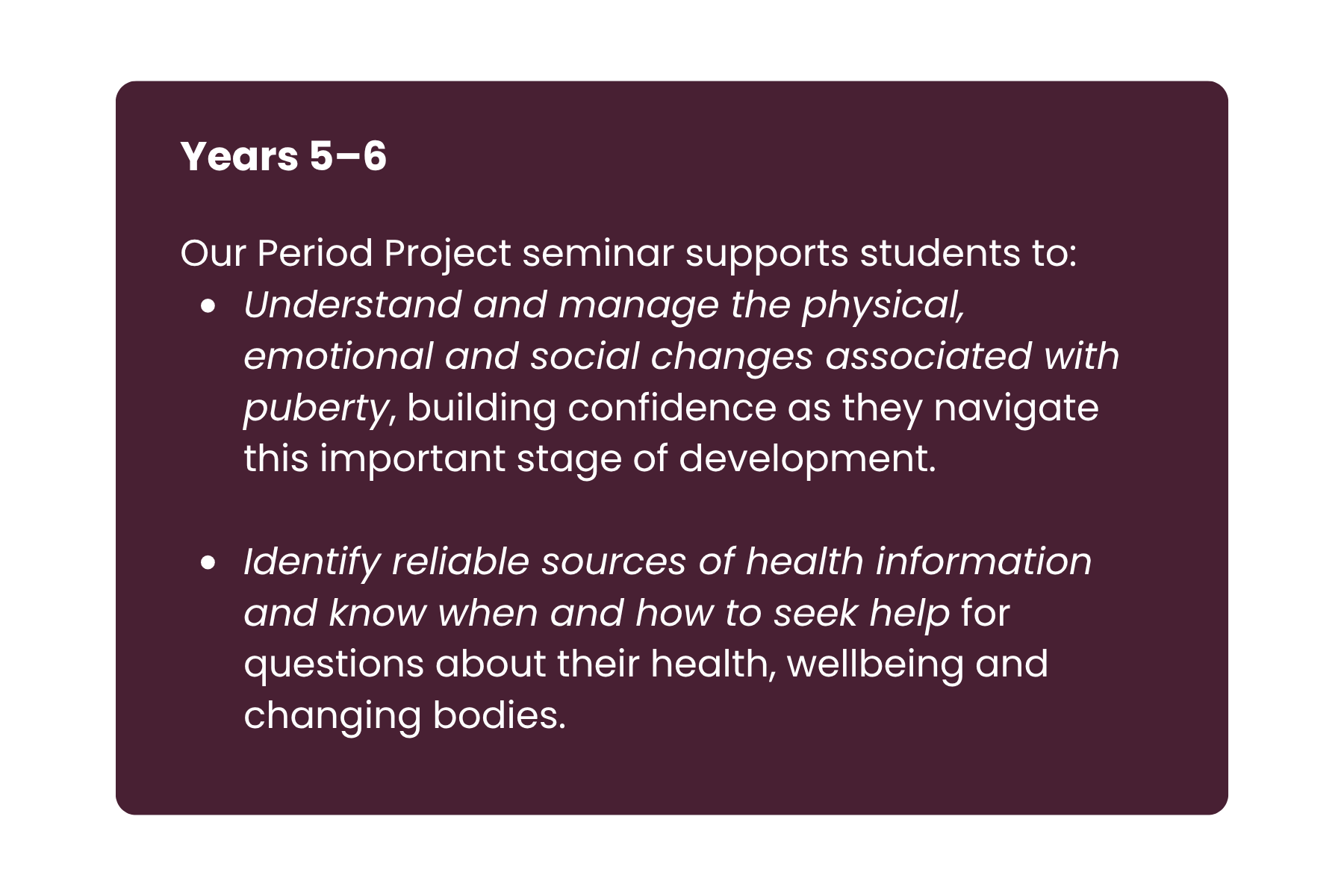
Because the curriculum tells students that puberty happens. We help them understand what it actually means.
Built for your students.
A Year 5 cohort of 30 students looks very different to a full day of presentations across Years 7–12, which is why every proposal is tailored to suit your school's needs.
Whether you're after a single seminar, multiple year-level presentations, a parent information evening or a full-day women's health education program, we'll build a package that's right for your students.
Seminar fees start from $1,950 + GST.
Pricing is tailored based on:
• Number of year levels
• Number of presentations
• Student numbers
• Presentation duration
• Parent or staff sessions
• Travel requirements
Every booking includes a fully customised presentation, evidence-based content, interactive Q&A, and resources designed to leave students feeling informed, confident and empowered—not overwhelmed.
Ready to give your students the women's health education so many adults wish they'd had?
Request a tailored proposal.