Not another wellness program.
Women’s health isn’t a wellness perk.
It is workplace infrastructure.

01 / Understand Biological Changes
Periods. Fertility. Pregnancy. Post-Partum. Peri-menopause. Menopause.
Each female life stage is a workplace reality. They come with challenges that directly impact your workplace and its productivity.
Could you sit here and comfortably understand how a women feels after a miscarriage?
Do you know what it feels like to leave your baby and return to work after months off?
Can you empathise with a woman going through anxiety due to menopausal hormone changes?
02 / The Cost of Not Talking About It.
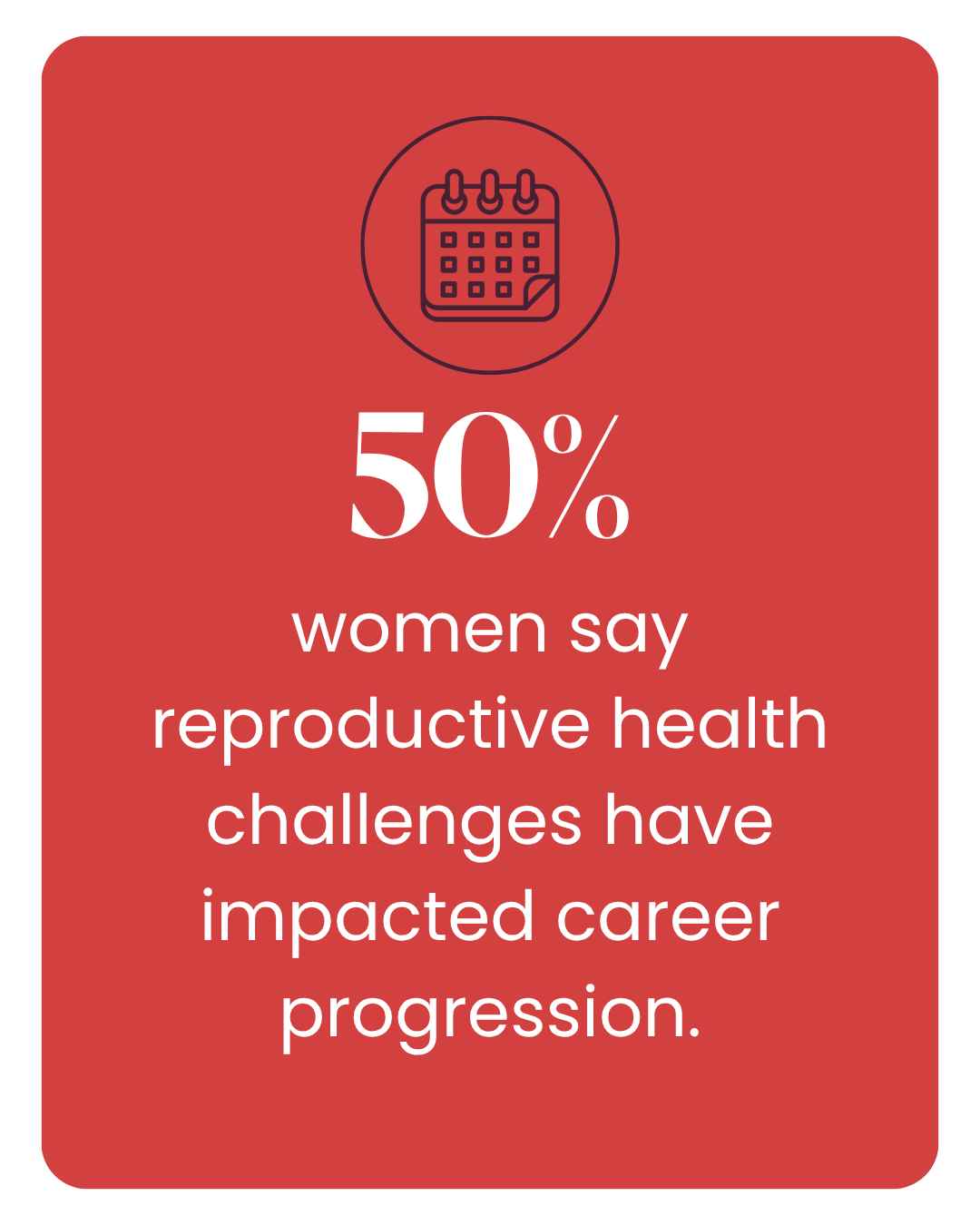
Women are expected to show up and perform through decades of hormonal transitions.
Meanwhile managers do not know what to say. Teams do not ask. Women are left unsupported, misunderstood and forced to suffer in silence.
Here we enter:
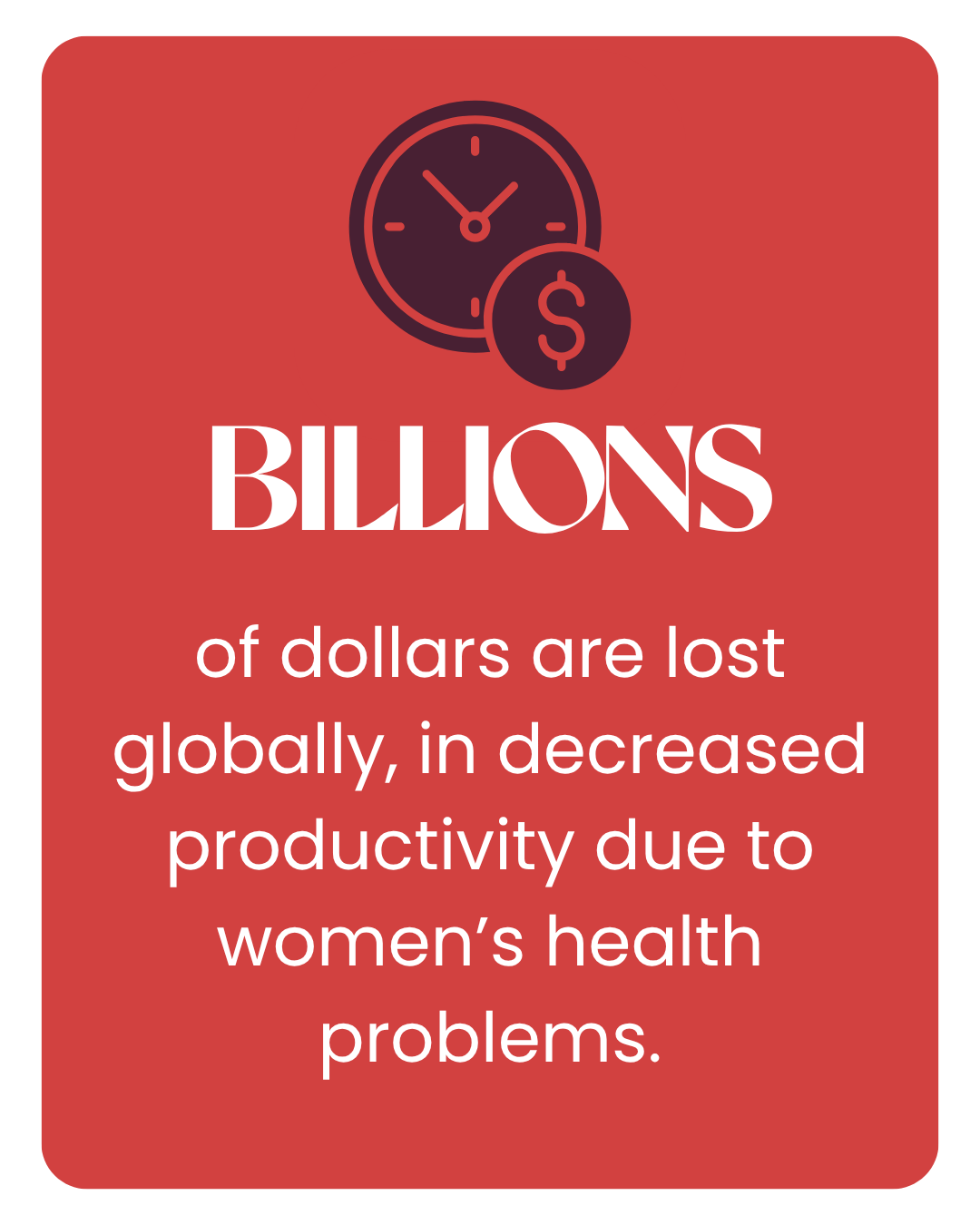
Reduced productivity
Increased absenteeism
Higher burnout
Lower employment engagement
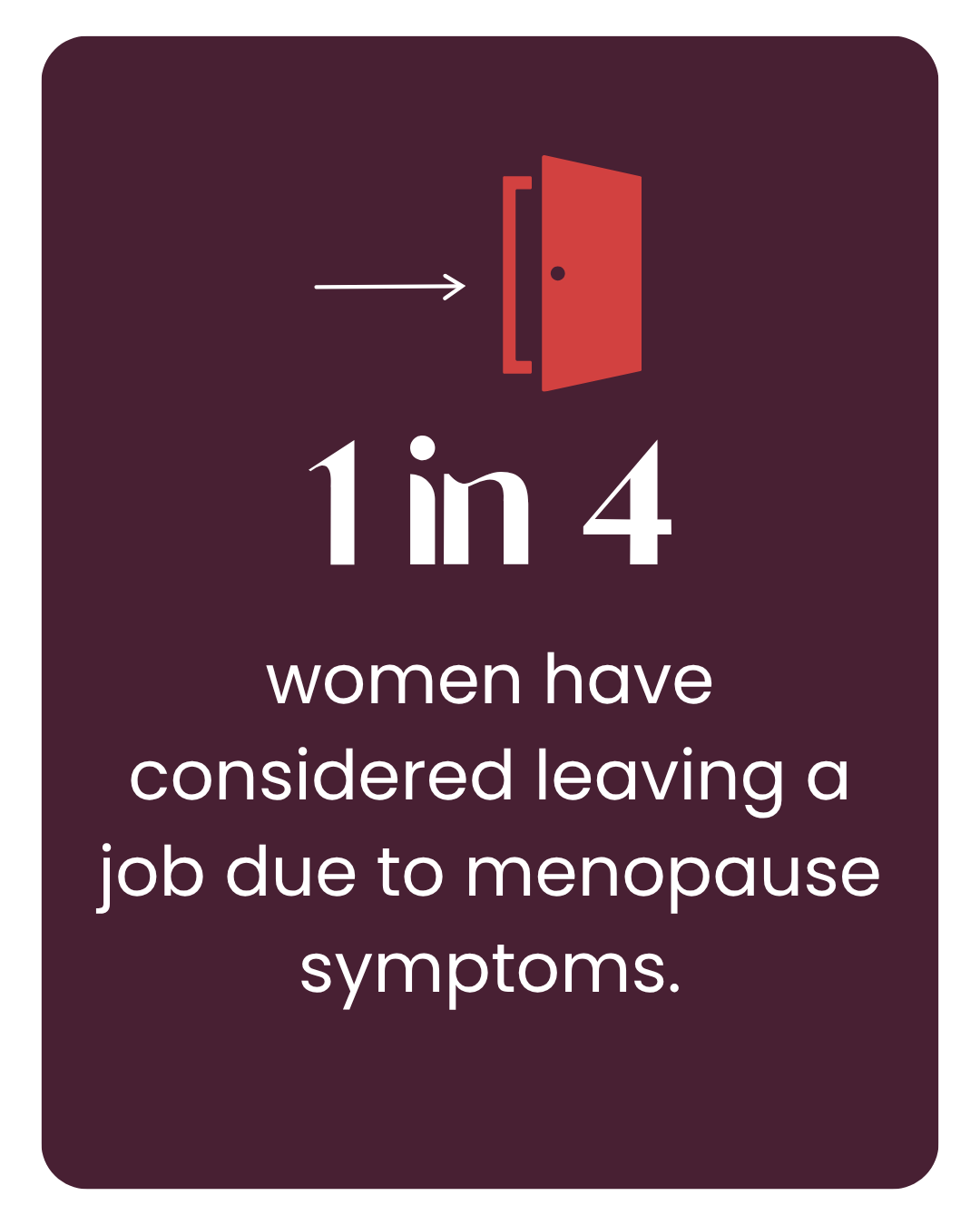
Poor staff retention
A culture of assumptions not understanding

03 / What We Do Talk About
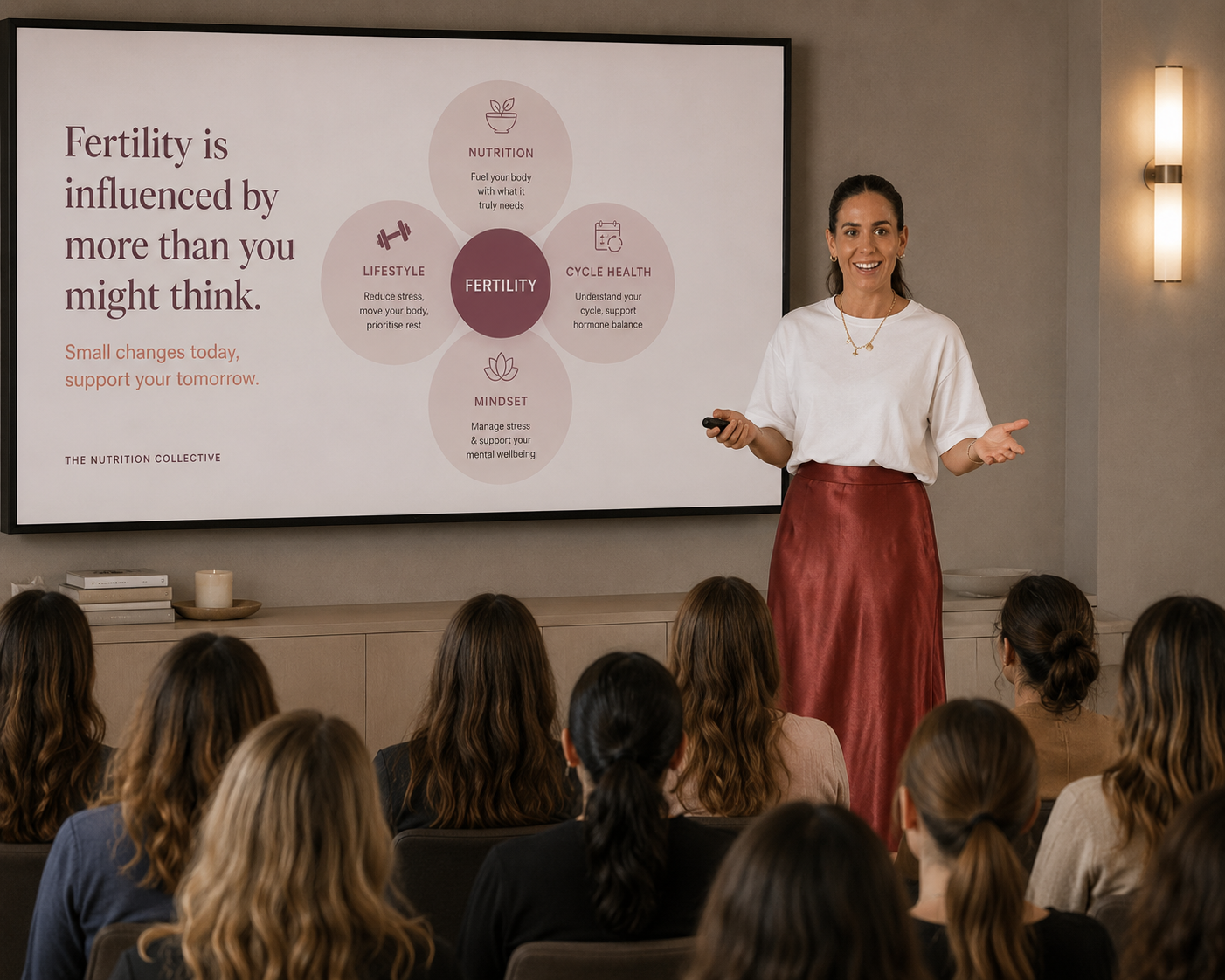
We challenge outdated beliefs, based off evidence. This program allows for open conversations, practical strategy implementation and improved workplace culture by delving into:
The female lifespan: from puberty to post-menopause
Hormones, performance and workplace wellbeing
Fertility, pregnancy and returning to work after birth
Perimenopause and leadership
Creating psychologically safe conversations around women's health
Supporting female employees without awkwardness or assumptions
What men need to know about women's health
Building a workplace culture where women can thrive
-
We believe in building a workplace where women feel supported through every stage of life.
-
Leaders are understanding. We help leadership groups understand the women’s health factors influencing performance, engagement and staff retention.
-
We provide larger scaler practical education that helps women better understand their bodies and advocate for their health.
-
Our meaningful sessions that create conversation, confidence and connection for the female employee.
Who We Work With
The best female talent has options. Salary alone will not keep them.
Women are choosing workplaces that understand their health, support their wellbeing and create environments where they can thrive. This program helps position your organisation as one of them
Our program delivers a proven strategy to boost satisfaction, protect retention rates and position your company as an employer of choice.
Start the conversation.
Start the conversation.
Women’s health is not a side conversation.

WHAT THIS LOOKS LIKEYOUR INVESTMENT
A 1 - 2 hour seminar, depending on the needs of your workplace.
Interactive workshops designed to create understanding, challenge stigma and improve workplace culture.
Practical education for leaders and HR to navigate the conversations around periods, fertility, post-partum and menopause with their teams.
Every seminar is tailored to each organisation, your team and your goals.
Become the workplace women talk about.
Bring this to your team.
The workplaces of the future will understand women. Not because it's trendy. Not because it's a diversity initiative. Because it's good business. If you're ready to create a stronger, smarter and more supportive workplace, let's start the conversation.
Whether you're supporting 20 employees or 2,000, we'll build a session that improves health literacy, workplace culture and employee retention.